Find Single Stage Horizontal Centrifugal Pump for Water Supply, Irrigation, and Circulation
Source 30 verified single stage horizontal centrifugal pump models with options for high or low pressure applications. Buyers can compare specifications including motor driving types, impeller configurations, and mounting heights to select the right pump for water supply, irrigation, or circulating duties.
Key considerations
Products List


$500.00 - $50000.00
Moq: 1

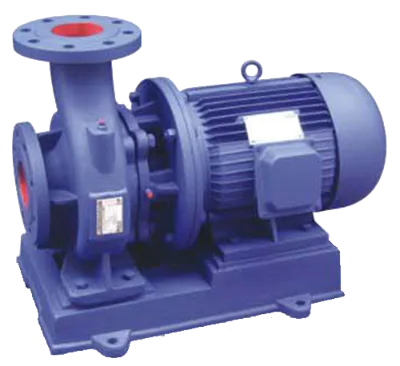


Comprehensive Sourcing Guide
Strategic Sourcing Guide for Single Stage Horizontal Centrifugal Pumps
Procuring a single stage horizontal centrifugal pump requires a disciplined approach that balances technical precision with supply chain reliability. These pumps are fundamental components in industrial fluid handling, designed to move liquids by converting rotational kinetic energy into hydrodynamic energy. The market offers a diverse array of configurations, from standard cast iron units to specialized high-pressure models. Buyers must navigate a landscape where specifications vary significantly between manufacturers, often within the same product category. This guide outlines the critical factors for sourcing these assets, focusing on the observable attributes of the current market, compliance verification, and cost management strategies.
Technical Specifications and Performance Parameters
The core of any procurement decision lies in the technical specifications. Based on current market observations, single stage horizontal centrifugal pumps exhibit a wide range of performance capabilities. The driving type is consistently identified as motor-driven, indicating a reliance on external power sources for rotation. A critical distinction in the market is the mounting height and shaft position. While many units are classified as horizontal pumps with a horizontal shaft position, specific sub-categories exist, such as suction centrifugal types or those designated for irrigation applications.
The head capacity is a primary performance metric. Data indicates that available models span from standard ranges up to high-pressure configurations exceeding 150 meters of head. Some specific listings show a range of 110 meters to 150 meters, while others are categorized strictly as high-pressure pumps. This variance necessitates precise requirement definition before engaging suppliers. The impeller design further differentiates these units. The market features both open and closed impeller types, with single-suction and double-suction configurations available. The impeller number is typically single-stage for this category, though some listings reference multistage pumps, suggesting a need to verify the stage count carefully.
Flow capacity, or maximum capacity, also varies. Observed ranges include units handling 300 to 400 liters per minute, as well as models capable of exceeding 400 liters per minute. The working pressure classification ranges from low-pressure to high-pressure pumps, directly correlating with the head and impeller design. The casing construction is another vital technical detail; horizontal split pumps are a common configuration, allowing for easier maintenance of internal components without disturbing the piping. The material of construction is predominantly cast iron, which offers durability for general industrial applications.
Compliance, Certification, and Standard Verification
Ensuring that a pump meets regulatory and industry standards is essential for long-term operational safety and legal compliance. The current market data highlights several specific standards and certifications associated with these products. The CE mark is frequently cited, indicating conformity with health, safety, and environmental protection standards for products sold within the European Economic Area. However, buyers should not assume universal compliance based on a single listing; verification of the specific batch or model against the latest CE directives is mandatory.
Beyond the CE mark, the market references specific dimensional and structural standards. One observed standard relates to caliber, with ranges specified as 20 to 200 millimeters and another as 20 to 300 millimeters. These figures likely refer to the suction and discharge pipe sizes, which are critical for system integration. Another observation mentions a standard dimension of 800500400, which may pertain to packaging or specific footprint requirements rather than a fluid dynamic standard.
Buyers must also be aware of broader international standards that are often relevant but not explicitly guaranteed in every listing. Standards such as ISO 2858, EN733, DIN24255, and ISO 9905:1994 are frequently associated with centrifugal pumps in the industry. While these are not confirmed as universal requirements for every unit in the current dataset, they represent the benchmark for performance and testing. Procurement teams should explicitly request proof of compliance with these standards if the application involves critical infrastructure or international trade. The absence of a specific standard in a product description should not be interpreted as non-compliance, but rather as a need for direct inquiry with the supplier to confirm the testing protocols used.
Cost Drivers and Pricing Structure
Understanding the cost structure of single stage horizontal centrifugal pumps is vital for budgeting and negotiation. The observed price range in the market is extensive, spanning from 100 to 50,000 USD. This wide disparity is driven by several factors, including the horsepower rating, material quality, and specific customization options. Horsepower values observed in the market range from 1.1 to 37 kW, with higher power ratings naturally commanding higher prices. The working pressure and head capacity are also significant cost drivers; high-pressure pumps capable of exceeding 150 meters of head will be priced at the upper end of the spectrum compared to low-pressure units.
Customization is a major factor influencing cost. The market data confirms that customization is available, allowing buyers to tailor pumps to specific operational needs. However, custom orders often incur additional costs and may affect lead times. The packaging method also plays a role in the final price. Options include wooden box packaging, mechanical seal packaging, and standard export wooden cases. While packaging is often a standard requirement for export, specialized packaging for sensitive components can add to the overall cost.
Minimum Order Quantity (MOQ) requirements vary, with observed ranges between 1 and 5 units for standard items. However, some listings indicate a monetary MOQ of 3000 USD, which suggests that smaller buyers may need to aggregate orders or meet a minimum spend threshold. The origin of the pump, primarily from Shanghai, China, and Zhejiang, Wenzhou, influences logistics costs. Buyers should factor in shipping, insurance, and potential tariffs when calculating the total landed cost. It is crucial to distinguish between the unit price and the total cost of ownership, which includes maintenance, energy consumption, and spare parts availability.
Typical Applications and Usage Scenarios
Single stage horizontal centrifugal pumps are versatile and serve a multitude of industrial applications. The observed usage categories include general pumping, condensate handling, slurry transport, and circulating duties. The specific application dictates the required pump characteristics. For instance, condensate pumps are designed to handle hot water returning from steam systems, requiring materials and seals that can withstand elevated temperatures. Slurry pumps, on the other hand, must handle abrasive fluids, often necessitating hardened impellers and casings, although the current data primarily highlights cast iron construction.
Circulating pumps are commonly used in heating, ventilation, and air conditioning (HVAC) systems, as well as in industrial cooling loops. These applications typically require reliable, continuous operation with moderate flow rates. The suction pipe size, observed in the range of 2 to 4 inches, is suitable for a wide variety of commercial and light industrial applications. The open impeller design is often preferred for fluids containing small solids, while closed impellers are better suited for clean water applications to maximize efficiency.
The mounting height and shaft position are critical for installation in specific environments. Horizontal pumps are ideal for applications where floor space is limited, as they can be mounted directly on the foundation. The "suction centrifugal" and "irrigation centrifugal" classifications suggest specialized use in agricultural or water supply contexts. Buyers must match the pump's usage profile with their specific operational needs, ensuring that the selected model can handle the fluid properties, temperature, and flow requirements of the intended application.
Supplier Evaluation and Geographic Considerations
Evaluating suppliers requires a focus on their location, production capabilities, and flexibility. The primary manufacturing hubs identified in the market are Shanghai, China, and Wenzhou, Zhejiang. These regions have established industrial ecosystems for pump manufacturing, offering a concentration of expertise and supply chain resources. Buyers should verify the specific factory location to assess logistics and potential for site visits.
Supplier flexibility is another key evaluation criterion. The availability of OEM (Original Equipment Manufacturer) services indicates that suppliers are willing to produce pumps under the buyer's brand or to specific design requirements. Customization is explicitly available, allowing for tailored solutions. The MOQ of 1 to 5 units suggests that many suppliers are capable of handling small to medium-sized orders, which is beneficial for procurement teams with limited initial requirements. However, the existence of a 3000 USD monetary MOQ indicates that some suppliers may have minimum revenue thresholds.
When evaluating suppliers, buyers should request detailed product documentation, including technical drawings, material certificates, and test reports. The ability to provide a mechanical seal packaging option suggests a focus on protecting critical components during transit. Buyers should also assess the supplier's response time and communication channels, as these factors can significantly impact the procurement timeline. It is advisable to engage with multiple suppliers to compare technical proposals and commercial terms, ensuring a competitive and informed decision.
Quality Control and Long-Term Procurement Strategy
Quality control is paramount in the procurement of industrial pumps. The observed standards, such as CE and specific caliber ranges, provide a baseline for quality, but buyers must implement their own verification processes. This includes requesting third-party inspection reports or conducting factory audits if the order volume justifies it. The material specification of cast iron should be verified against the required grade for the specific application to ensure resistance to corrosion and wear.
Long-term procurement considerations extend beyond the initial purchase. The availability of spare parts, such as impellers and mechanical seals, is crucial for minimizing downtime. The "Mechanical Seal Packaging" observation suggests that seals are a critical component, and their availability should be confirmed. Buyers should also consider the energy efficiency of the pump, as the horsepower range of 1.1 to 37 kW indicates a significant variation in energy consumption. Selecting a pump that matches the system curve precisely can lead to substantial energy savings over the lifespan of the equipment.
Finally, the procurement strategy should include a plan for maintenance and lifecycle management. The horizontal split casing design facilitates easier maintenance, reducing the time and cost associated with repairs. Buyers should establish a relationship with the supplier for ongoing support, including technical assistance and warranty claims. By focusing on these long-term factors, organizations can ensure that their investment in single stage horizontal centrifugal pumps delivers reliable performance and value over time.
FAQs
What is the maximum head capacity for these pumps?
The maximum head capacity exceeds 150 meters for high-pressure models. Some specific listings show a range between 110 and 150 meters, while others are strictly categorized as high-pressure pumps requiring precise requirement definition.
Which impeller types are available for single stage pumps?
Both open and closed impeller types are available in the market. Single-suction and double-suction configurations exist, with single-stage pumps being the typical classification, though multistage options are also referenced in some listings.
Can buyers customize the pump specifications?
Yes, customization is available to tailor pumps to specific operational needs. Buyers should note that custom orders may incur additional costs and could potentially affect lead times compared to standard inventory items.
What is the typical price range for these pumps?
The observed price range spans from 100 to 50,000 USD. This wide disparity is driven by factors such as horsepower ratings, material quality, working pressure, and specific customization options requested by the buyer.
Which certifications are commonly associated with these pumps?
The CE mark is frequently cited, indicating conformity with European safety standards. Buyers should verify specific batches against latest directives, as broader standards like ISO 2858 are industry benchmarks but not guaranteed for every unit.
What is the minimum order quantity for these pumps?
Observed MOQ ranges between 1 and 5 units for standard items. However, some listings indicate a monetary minimum order quantity of 3000 USD, requiring smaller buyers to aggregate orders or meet a minimum spend threshold.
Where are these pumps primarily manufactured?
Primary manufacturing hubs are located in Shanghai, China, and Wenzhou, Zhejiang. Buyers should verify specific factory locations to assess logistics costs and potential for site visits when evaluating supplier flexibility.
What materials are used for the pump casing?
The material of construction is predominantly cast iron for general industrial applications. This offers durability, but buyers must verify the specific grade against required corrosion and wear resistance for their specific fluid handling needs.